Leverage technology to protect marine wildlife
Learn how advanced visual detection from Orca AI can help you curb marine mammal strikes and reduce whale mortality rates.
Read here

SeaPod for crews
Being constantly on the lookout, understanding the context of ever-changing scenarios, and gathering information from multiple sources and sensors, is a tedious task.
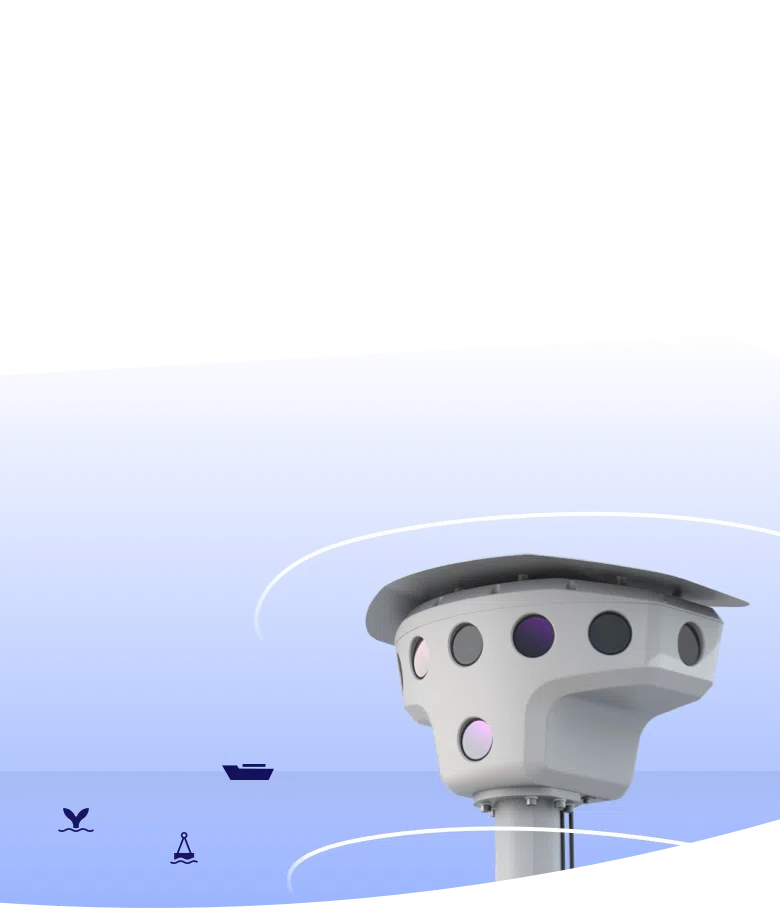
Orca AI’s SeaPod, an artificial intelligence-based maritime navigation assistant, acts as a fully automated watchkeeper that doesn’t sleep or miss. It processes multiple sources of information in a fraction of time and gets smarter every day.

Identify and evaluate the most complex marine traffic situations with lookout automation that mimics human watchkeeping process, 24/7.
Automated object detection and prioritization process that helps officers make better decisions at sea and eliminates confusion.
Leverage AI and automation to enable your crew to make efficient, safe, and effective decisions at sea with the support of a navigation assistant.





Low Visibility
Congested Waters
With / Without Orca AI

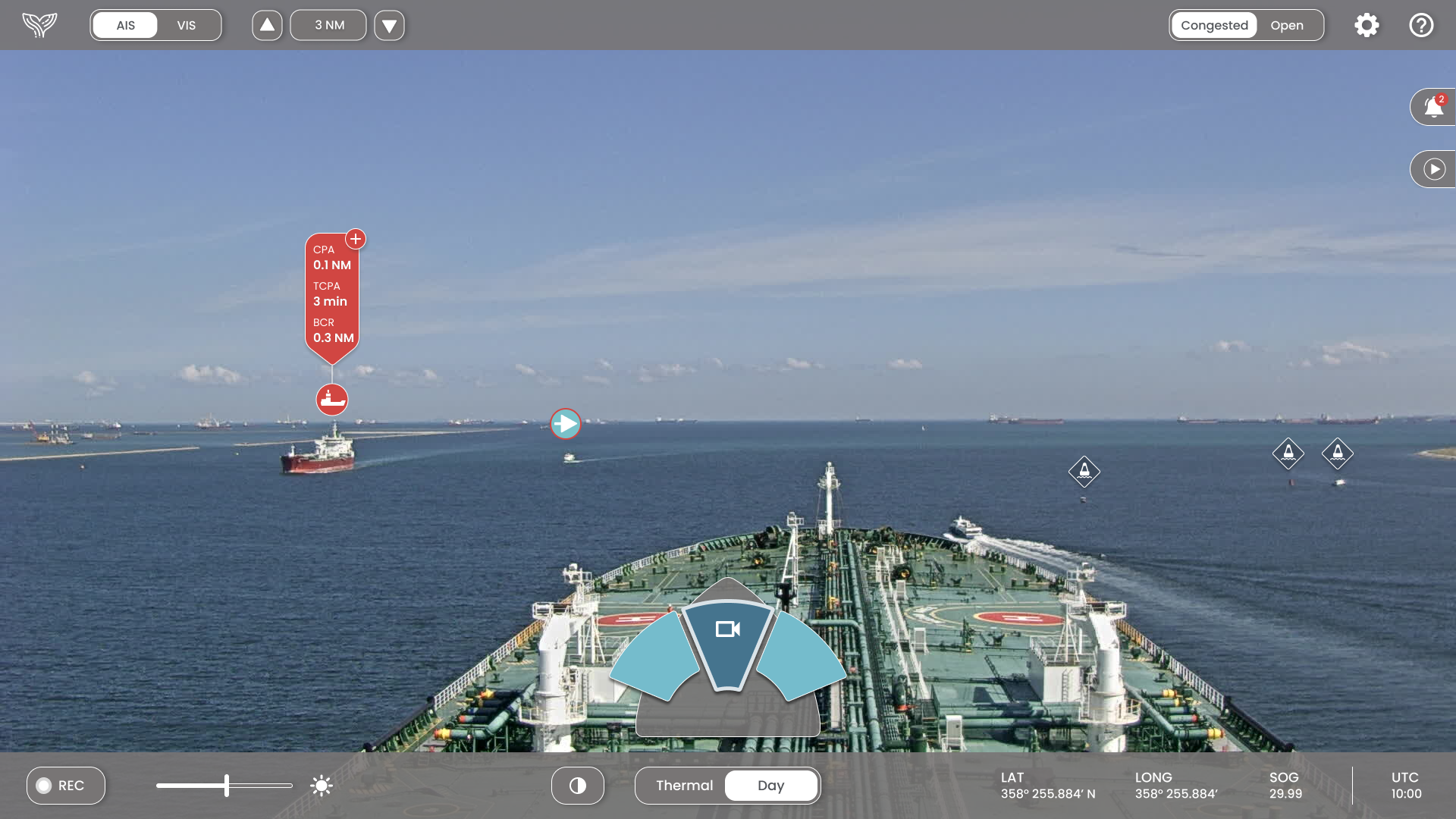
Orca AI’s SeaPod for potential hazard detection leverages advanced computer vision and deep learning algorithms. The system detects, tracks, and classifies targets that may pose a risk to the vessel or violate the company's SMS and then prioritizes them and presents the needed information through a clear user interface with CPA, TCPA, SOG, and speed parameters.
Machine vision and AI-based detection of every maritime object, even small ones, and at any distance, including non-AIS targets such as fishing vessels, floating containers, and sea mammals.



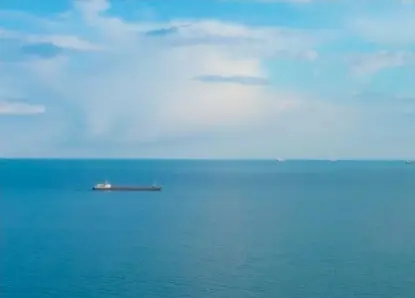

By utilizing real-time automatic risk prioritization capabilities, the crew can feel more confident in their decisions and ultimately reduce the risk of vessel collisions.
Recording navigation-related events based on predefined logic and providing the crew access to a library of event videos, for learning, debriefing, and training onboard to enhance the safety of navigation and operational efficiency.





Learn how advanced visual detection from Orca AI can help you curb marine mammal strikes and reduce whale mortality rates.

April 29, 2026

April 23, 2026

April 15, 2026