



Case study:
The customer
A modern Greek LNG/LPG fleet operating at global scale
TMS is one of Greece’s largest independent ship managers, overseeing more than 140 vessels with over 45 newbuildings on order. Its operations span crude and product tankers, bulk carriers, and the LPG/LNG division TMS Gas. Based in Marousi, Athens, TMS Gas manages 21 LPG/LNG carriers and runs one of the few in-house maritime training centres in Greece. This focus on people and technology shapes the navigational standards expected across the TMS Cardiff Gas fleet.

-
20
Vessels installed to date
-
4.3M
Nautical miles sailed with Orca AI
-
725
Voyages analyzed from 2021 to 2025
-
13K+
Navigational events reviewed
The challenge
Strengthening navigational safety in demanding conditions
As LPG/LNG operations become increasingly complex, TMS Cardiff Gas has identified navigational safety and bridge competence as critical priorities. The objective was clear: help officers recognize developing risks earlier, interpret situations with greater confidence, and maintain consistent standards across the fleet. Several operational realities shaped this need:

-
Fragmented situational awareness
Radar and ECDIS require officers to interpret multiple displays simultaneously to build a full picture of developing situations.
-
Single-officer responsibility in open waters
In many scenarios, one officer of the watch must assess limited cues and make timely decisions without continuous cross-checks.
-
Restricted visibility by vessel design
LPG/LNG carriers feature numerous vertical structures that can create blind spots from the bridge.
Our focus is on ensuring officers act with confidence as operating conditions become more complex. Strong navigational awareness is essential to maintaining the safety standards we expect across the fleet.
The solution
Integrating digital awareness into everyday bridge practice
TMS Cardiff Gas integrated the Orca AI platform into daily bridge and shore operations to strengthen situational awareness, support officer decision-making, and create a shared, data-based view of navigational performance across the LPG/LNG fleet. The platform is used both onboard, as a real-time visual cross-check during navigation, and ashore, to review events, coach crews, and reinforce consistent standards.
Navigation support
Improving target detection and visual clarity
TMS Cardiff Gas deployed the Orca AI platform, using SeaPod as the onboard bridge interface, to support officers with a real-time digital lookout that enhances situational awareness through:
- AI-powered detection of vessels, including small or non-metallic targets
- Day and thermal cameras for night and low-visibility operations
- Visual cross-check when electronic data is unreliable, including GPS spoofing
- A unified bridge view combining camera feeds with AIS, GPS, and ship sensors

Whether in congested areas or open waters, Orca AI is useful. At night or in fog, it remains reliable and gives us accurate information. My officers really see the value in it, especially for detecting targets when visibility is limited.
Crew training
Turning real voyages into learning
Navigational data becomes part of the company’s training and mentoring process. Recorded encounters are reviewed by superintendents and training staff to assess decision-making, COLREGs compliance, and risk development. These real events are used in debriefs and pre- and post-embarkation briefings, reinforcing good navigational habits through practical examples.

For the office
Fleet-wide visibility into navigational performance
With FleetView, TMS Cardiff Gas shore teams maintain a continuous, fleet-wide view of navigational performance. The platform brings together key safety indicators such as safety score, close-encounter events, passing distances, and manoeuvring behaviour across routes and regions. This allows the office to move beyond isolated incidents, identify recurring patterns, and guide coaching and dialogue with vessels. The result is a consistent feedback loop between ship and shore that supports uniform navigational standards across the LPG/LNG fleet.

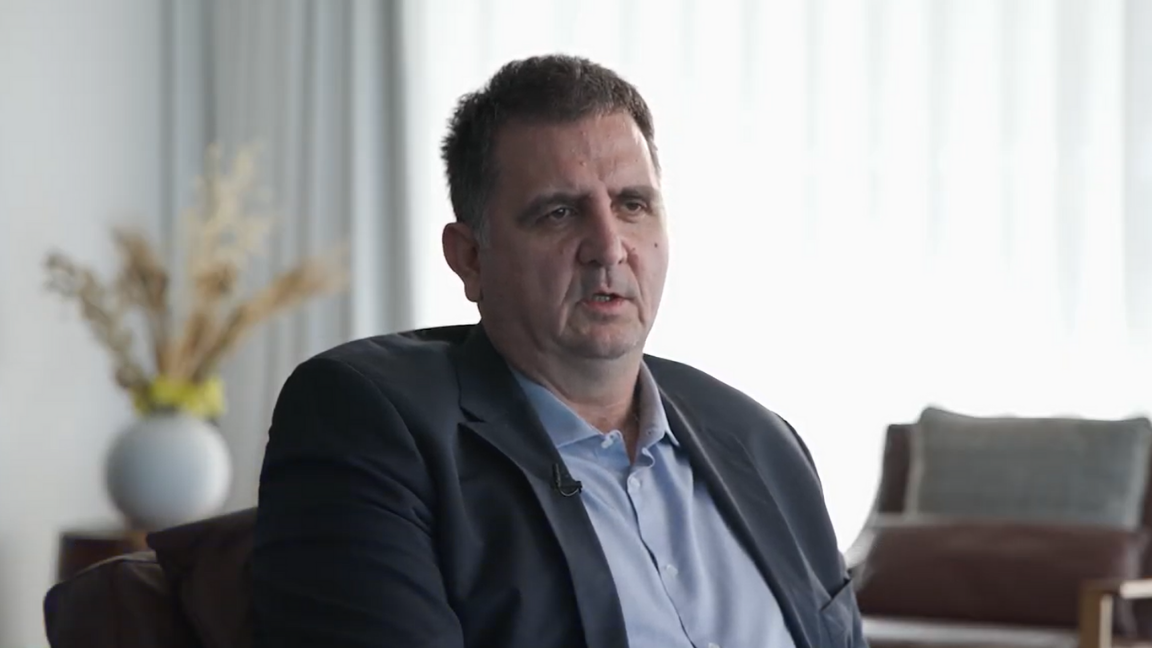
The value is not only in the prevented events but in the training. Experience levels have changed, and younger officers need support.
The results
Fewer close encounters across the fleet
Alongside strong crew feedback and high engagement, TMS Cardiff Gas has recorded measurable improvements across the safety indicators it uses to assess navigational risk. For TMS Cardiff Gas, Orca AI has become a practical tool for strengthening navigational safety, supporting officer confidence, and aligning ship and shore around real operational data. By combining visual awareness onboard with fleet-level insight ashore, the company has created measurable improvements while reinforcing the standards expected across a modern LPG/LNG fleet.
-
31%
Reduction in close-encounter events per 1,000 nautical miles in open waters
-
21%
Increase in average minimum passing distance in open waters


Learn how TMS Cardiff Gas improved navigational safety.
DownloadRecent resources
Case Study
Relieving cognitive load and boosting safety on EPS vessels
June 18, 2026
Read more

Case Study
Ionic builds safer, more efficient navigation in challenging waters
January 4, 2026
Read more

Case Study
Improving safety and reducing fuel costs for global shipping giant Seaspan Corporation
September 9, 2024
Read more