August 28, 2025

Elpida Constantinou, Customer Success Manager
Share


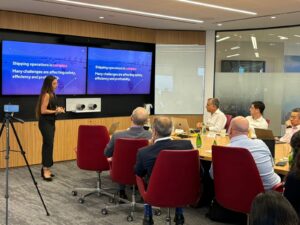
Recently, I had the opportunity to travel to Singapore to join Eastern Pacific Shipping’s (EPS) Digital Innovation & Decarbonization Day. This full-day event brought together EPS’s technology partners, both shore-based and onboard, to showcase how their solutions are being used across the fleet. The event was a great opportunity to see the range of vendors EPS works with and the breadth of technology in use. It offered a real glimpse into how innovation is driving efficiency, safety, and sustainability across their operations.
Showcasing Orca AI at EPS
As Orca AI’s Customer Success Manager, I was there to demonstrate how our platform is being used by both fleet crews and office teams to achieve safer navigation, stronger SMS compliance, and improved operational efficiency.
EPS is already leveraging AI-powered insights to support both ends of the operation:
- At the office: Teams gain access to high-quality navigational data in ways that were never possible before, enabling new layers of analysis, decision-making, and safety oversight.
- In the words of EPS themselves: “Orca AI helps us the most in narrow channels and night-time sailing. In high-risk or congested conditions, the system is actively supporting decision-making, giving my crew confidence and reducing stress on the bridge.”
A Growing Partnership
EPS and Orca AI began collaborating about a year ago. Together, Capt. Anil Singh, Capt. Nadim Prasad, and Capt. Nabo Ghosh identified priority areas where innovation could deliver the greatest impact.
One of the strongest success stories comes from the Pacific Sentinel. By adopting Orca AI, the vessel was able to decrease the average number of close encounters and increase average minimum distance from other ships. This directly translates into safer navigation: fewer risky near misses, less abrupt maneuvering, and smoother, more controlled voyages. A pattern which also links to more sustainable voyages.
During my presentation on EPS’s journey with Orca AI, one participant raised a question I often hear: “Doesn’t the system distract the crew from traditional navigation?”
It’s one of my favorite questions because it allows me to highlight how Orca AI was designed, not to replace existing tools, but to complement them and reduce stress. For example:
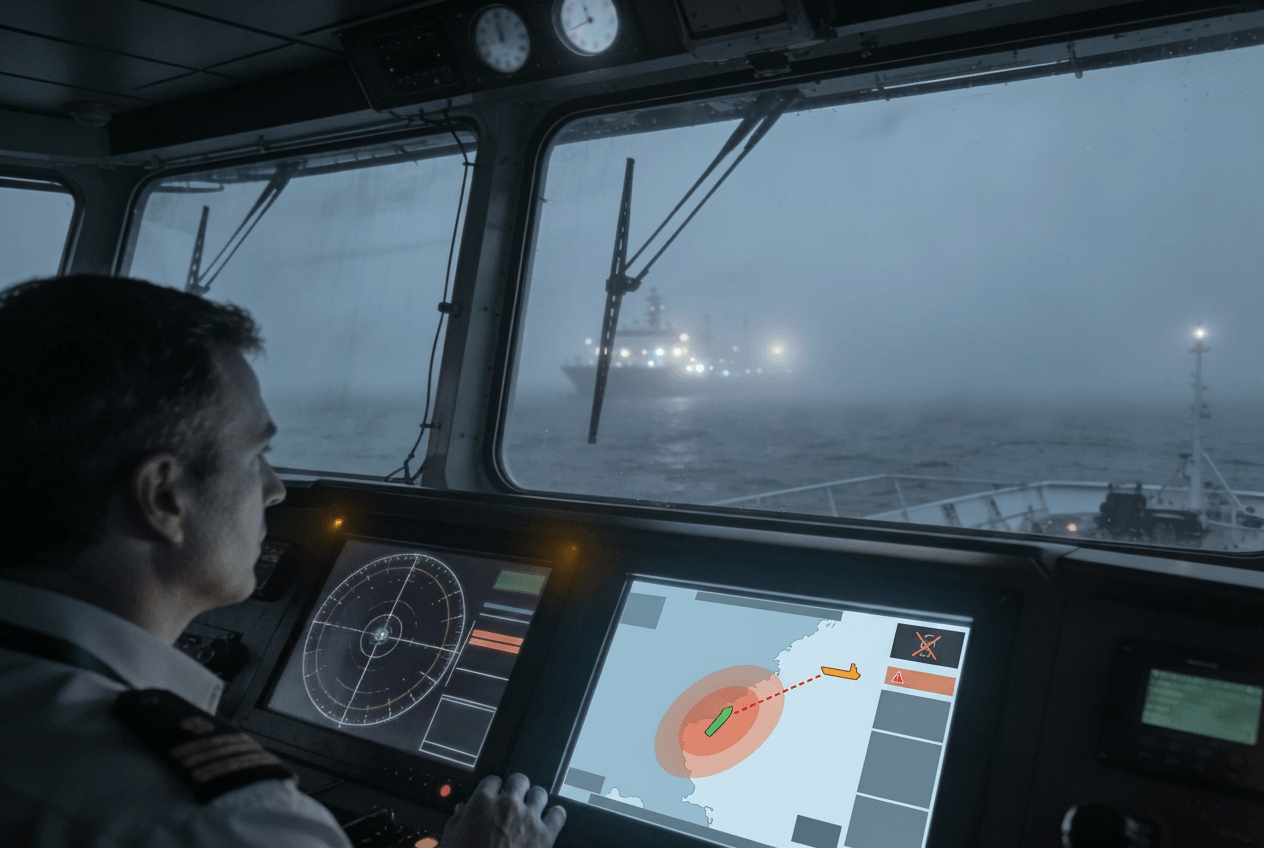
- RADAR offers a 2D view, but in hyper-congested waters the screen can quickly become cluttered. SeaPod provides a 3D view with a color-coded alerting system, helping crews focus on what matters most.
- ECDIS relies on AIS targets, meaning vessels without AIS remain invisible. SeaPod, using computer vision, detects all targets with or without AIS, acting as an additional pair of eyes.
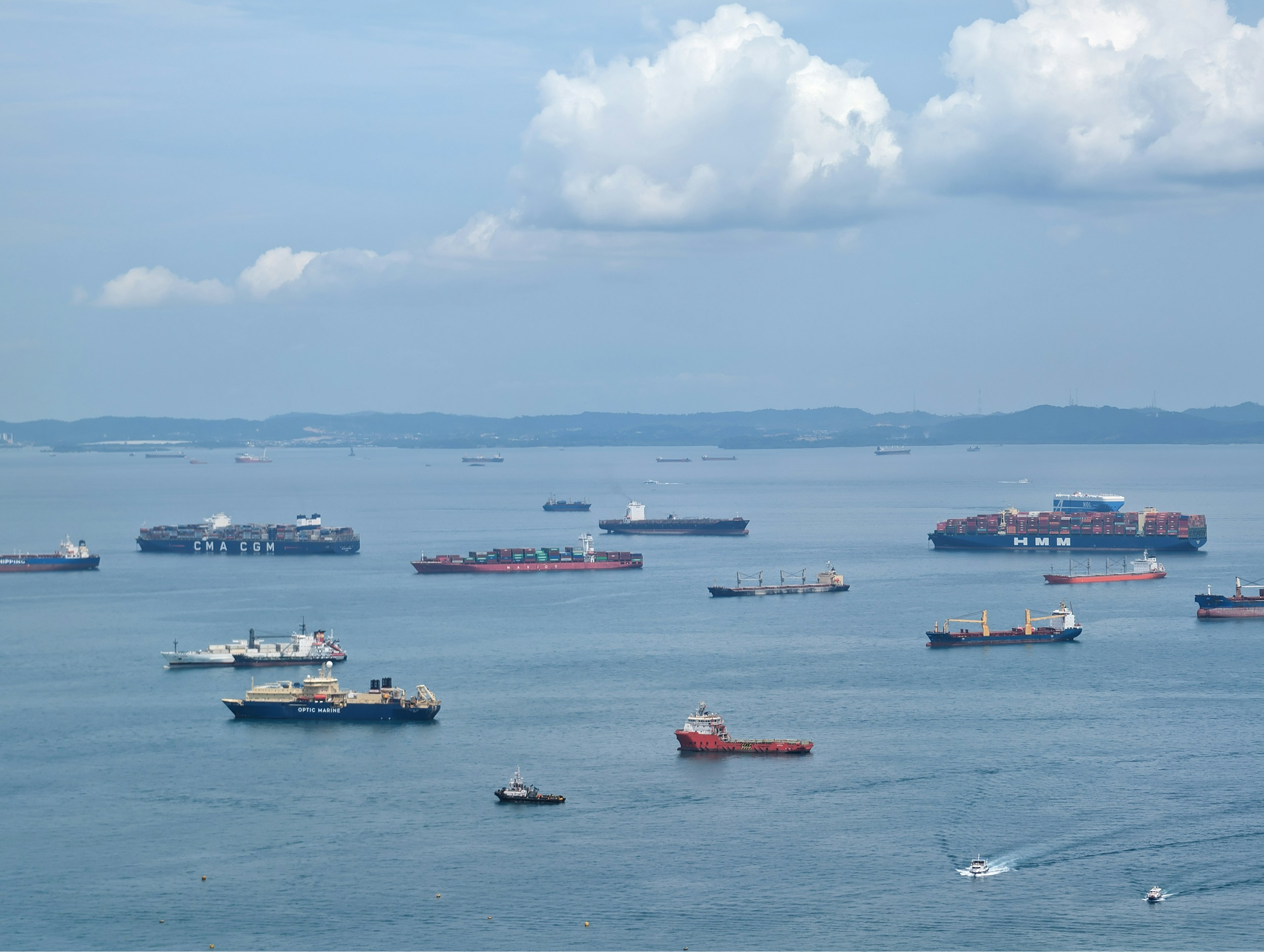
In practice, navigating congested waterways like the South China Sea becomes far more manageable when SeaPod is used alongside traditional navigation systems. As a CSM who works closely with bridge teams, I know how critical it is to keep the crew at the heart of the safety equation. The SeaPod is built for them, to assist in day-to-day navigation, not to change how they operate.
Whether it’s fatigue, limited visibility, or competing operational demands, SeaPod provides an extra layer of confidence and another set of eyes, giving crews the space to focus on what matters most.
Insights for the Office
For EPS’s onshore team, access to the Fleet View dashboard has been transformational. By reviewing real event recordings from vessels, EPS leaders gain insights that go far beyond traditional reporting. From my experience working with many different ship types, I’ve seen how even the best-equipped vessels cannot account for human psychology. Fatigue, stress, and decision-making under pressure remain unpredictable factors.
This is where Fleet View analytics becomes invaluable. EPS leadership Capt. Singh, Capt. Prasad, and Capt. Ghosh can proactively debrief and train their crews. The result is continuous improvement, stronger preparedness, and a culture of safety that extends across the fleet.
Conclusion
The EPS event was an incredible experience, from the thought-provoking discussions and inspiring people I met, to visiting EPS’s beautiful offices and seeing the Singapore Strait for the first time (I finally understand what we mean when we talk about “hyper-congested waters”!). It’s all part of Orca AI’s wider mission: to provide vision crews can trust and to empower situational awareness for safer maritime navigation. The future of safe, efficient, and sustainable shipping is already here, and I’m grateful to be part of it, alongside forward-thinking partners like EPS.