
November 19, 2026

Noemie Ifrah, Marketing & Communications Manager, Orca AI
Share


Key takeaways
- The decision to transit Hormuz is made well before a ship arrives, and the master keeps the final call, on the transit itself and on whether AIS stays on.
- Orca AI-equipped vessels have logged more than 3,500 GPS spoofing events this year, across more than 3 million square nautical miles.
- With AIS dark and GNSS unreliable, bridge teams fall back on Radar, dead reckoning and the lookout, and AI cameras add a visual layer that doesn’t depend on any signal.
- BIMCO will consider adding camera-based awareness to the next edition of the industry guidance for Hormuz transits.
- Three of the four panelists named crew mental health as the risk the industry still isn’t taking seriously enough.
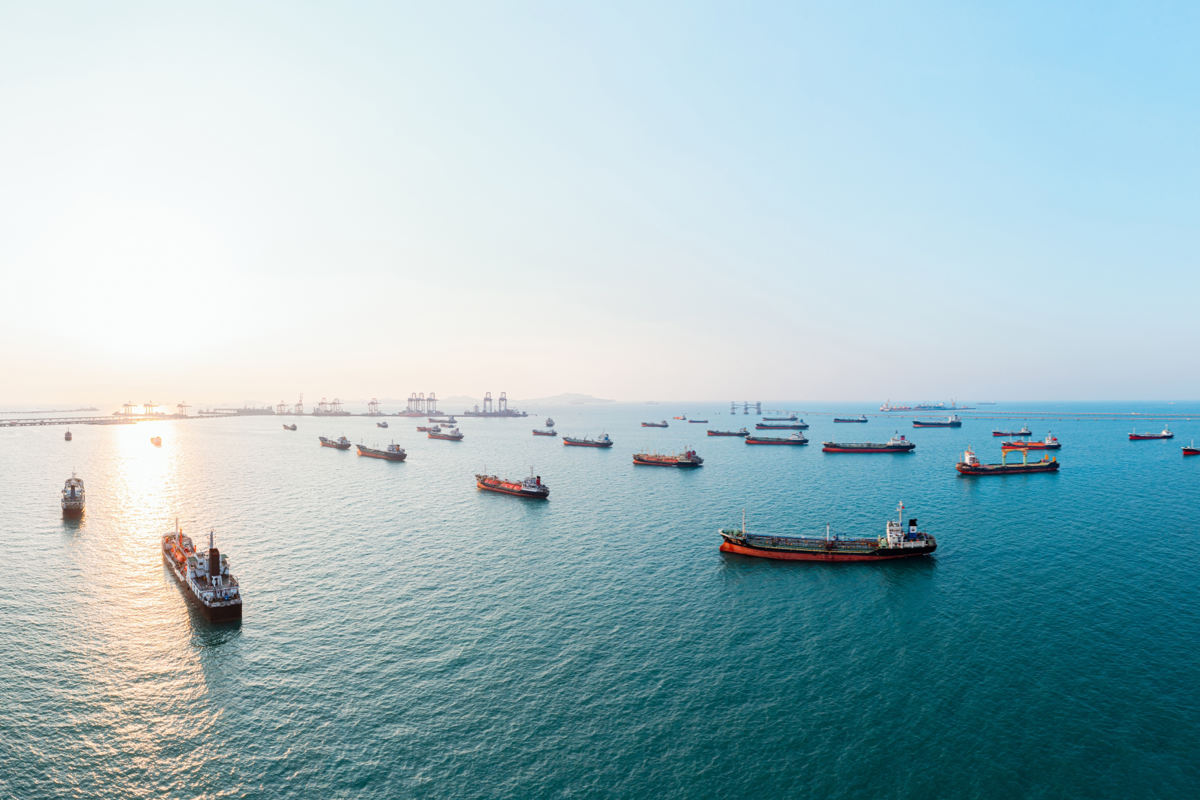
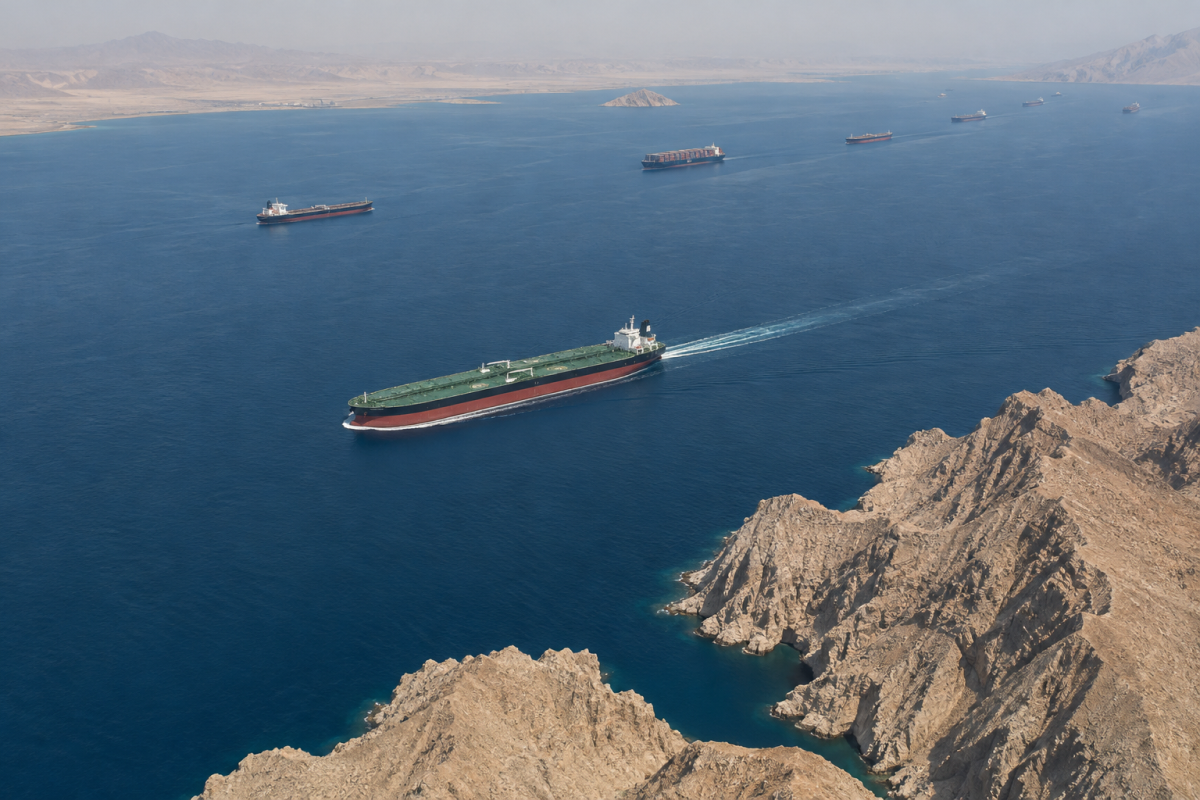
For ships in and around the Strait of Hormuz, 2026 has been an extraordinarily dangerous year. Opening our latest webinar, When the Sea Gets Harder to Read: Human Judgment and AI in High-Risk Maritime Operations, we looked at the numbers: UN figures show at least 25 seafarers killed since the conflict began in February, and the IMO has recorded some 136 security incidents in the region since March.
On the bridge, the picture has become harder to read too. Many ships transit with AIS switched off, because guidance warns an active signal may be a targeting factor, while satellite positioning is being jammed and spoofed.
The panel, moderated by Edwin Lampert of Riviera Maritime Media, brought together Captain Abhishek Rai of Ardmore Shipping Corporation, Captain Dimitrios Moutsis, Marine & Vetting Manager at Capital Ship Management Corp., Jakob P. Larsen, Chief Safety & Security Officer at BIMCO, and Dor Raviv, CTO and Co-founder of Orca AI.
The decision to go, and the authority to stop
At Ardmore Shipping, the decision to send a laden tanker through Hormuz is a structured, continuous process covering threat intelligence, recent incidents, the vessel and cargo profile and crew readiness, with shore teams and senior management involved. “But in the end, we will definitely give respect to the master’s overriding authority,” Rai said.
Capital Ship Management takes the same line. Transits are discussed with the crew well in advance, and if even one person doesn’t want to go, the company replaces them, swaps the vessel or cancels, with no penalty. “If a master says no, and finally we cannot perform the voyage, we will not perform the voyage,” Moutsis said.
Larsen said the threat has grown since the summer: there’s now, on average, more than one every 24 hours, mostly from drones and anti-ship cruise missiles. The cost has followed: Rai said war risk premiums have at times risen almost 10 times, and without that cover, no voyage goes ahead.
We asked the audience what they would do if one of their vessels were due to transit Hormuz this week. 37% said the question didn’t apply to their fleet, and among the rest, avoiding the route came out ahead of transiting with additional measures. For Larsen, that split was expected: “Different companies have different risk acceptance levels.”
AIS on or off is the master’s call
Larsen said the guidance is deliberately open on AIS: switching off makes a ship harder to find but has safety implications, so the master decides in line with company policy. Capital Ship Management keeps AIS on by default, and a master who switches it off for security logs when it goes off and back on. Our second poll asked who should make the call on AIS in high-risk waters, and the audience agreed with the panel: the master on the day. “He’s on the spot and he’s aware of what is happening around him,” Rai said.
What’s left when the signals go
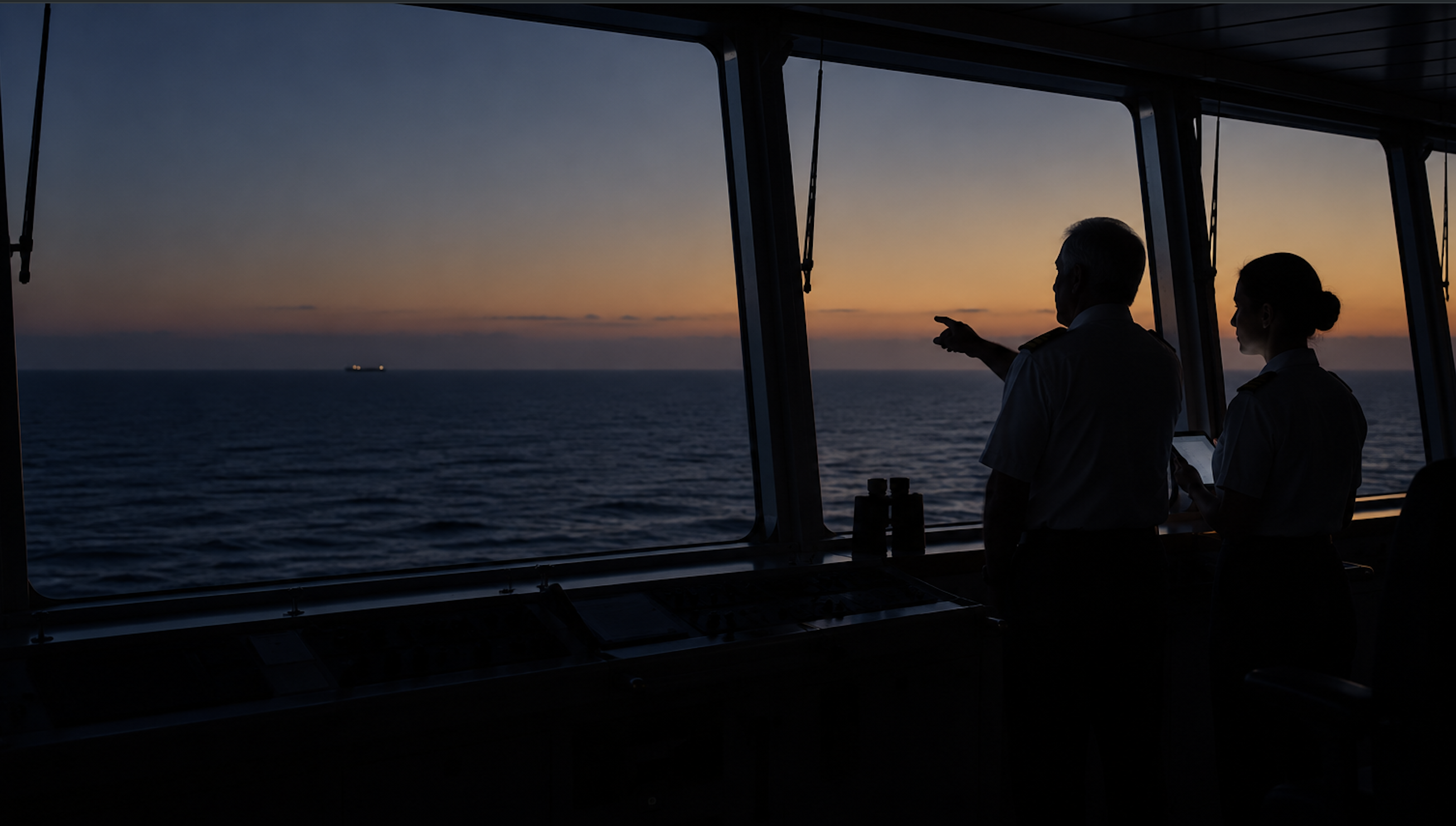
When AIS is dark and GNSS can’t be trusted, Raviv said the bridge still has Radar in relative mode, gyro and speed log for dead reckoning, and eyes and cameras. The problem is that no bridge system flags spoofing on its own, so a spoofed position looks like any other until the crew cross-checks it against independent references. Orca AI alerts the bridge before a ship enters an area where spoofing has been reported, and when GPS input goes wrong, it keeps generating bearing, distance and CPA from the cameras alone.
Raviv also shared what Orca AI-equipped vessels have logged this year: more than 3,500 spoofing events across more than 3 million square nautical miles, from the Persian Gulf to the Baltic, Black Sea, Eastern Mediterranean and North Sea.
Ardmore Shipping is installing Orca AI now, and Rai was clear about where it sits. Radar and the visual lookout are still the foundation, he said, and new technology “should strengthen or support the picture on the bridge.” When sources disagree, “it is better to reassess, reconfirm.”
Cameras add a layer, and they have limits
Capital Ship Management has had Orca AI on its bridges for some time. Moutsis said the thermal cameras pick up small craft at night and in heavy rain, when Radar clutter hides small targets. “Of course, it’s not something magic,” he said, but officers’ feedback has been positive. “I can say that this is an extra navigation aid for us and for the crew.”
The industry guidance tells bridge teams to prioritize visual and Radar observation, but it doesn’t mention cameras yet. Larsen sees them as an extension of visual observation, and said BIMCO will consider adding camera-based awareness to the next edition. Raviv was specific about the limits: the cameras detect small craft, fast boats and drone boats, but aerial drones are much harder, and the system doesn’t judge intent or replace the lookout. “It’s just an additional information tool, just an additional layer.”
When a ship is hit
For Rai, the office’s first job is to reduce the noise. It needs three answers from the ship (are the people safe, is the vessel safe, is there a threat to the environment?), then handles authorities, owners and external communication while the crew deals with the emergency. No one starts an investigation in those first minutes.
On sharing camera data with UK Maritime Trade Operations (UKMTO) or the Joint Maritime Information Center (JMIC), Raviv said only with the owner’s consent, anonymized and delayed, and never live positions, “because shared live positions could become a targeting factor themselves.”
What the industry isn’t taking seriously enough
Moutsis, Rai and Larsen all named crew mental health. Crews now pass through these waters regularly, knowing their ship may be a target. “They are not well-trained defense forces, they are just simple seafarers,” Rai said.
Raviv named the dark ship next door. Other vessels may not follow your AIS practice, and you can’t assume they’re doing what you’re doing. “We worry so much about being targeted that we underrate the dark ship that could be right next to us.”
Conclusion
The sea around Hormuz is harder to read, but the decision to go and the authority to stop still rest with people, above all the master on the bridge. What has changed is what they can see: with AIS dark and positioning unreliable, the picture is built in layers of eyes, Radar, and increasingly cameras and AI. At its best, that gives judgment something solid to work with, and the lessons won’t stay in the strait.
FAQs
Should ships switch off AIS in the Strait of Hormuz?
Industry guidance leaves it to the master, in line with company policy. Switching off makes a ship harder to find but has safety implications.
What can a bridge team rely on when GNSS is spoofed?
Radar in relative mode, gyro and speed log for dead reckoning, and visual observation through the lookout and cameras. No bridge system flags spoofing on its own, so crews need to cross-check their sensors.
Can AI cameras detect drone boats?
Yes, along with other small surface craft, and thermal cameras extend that to night. Aerial drones are much harder to detect, and cameras don’t judge intent.