October 21, 2026
Omar Arce, Implementation Specialist
Share


Every year, EMSA publishes its Annual Overview of Marine Casualties and Incidents, and every year it’s worth reading closely. Behind the tables are seafarers doing some of the most demanding jobs there are, and the data shows where their working day has become safer and where it hasn’t yet.
The 2026 edition focuses on 2025 and sets it against the nine years before, for EU-flagged ships, ships in EU waters and cases where the EU has a substantial interest. I took a closer look at collisions, one of the main safety events in the report, and at the people and ships lost in them.
Collisions in 2025, and the people behind the numbers
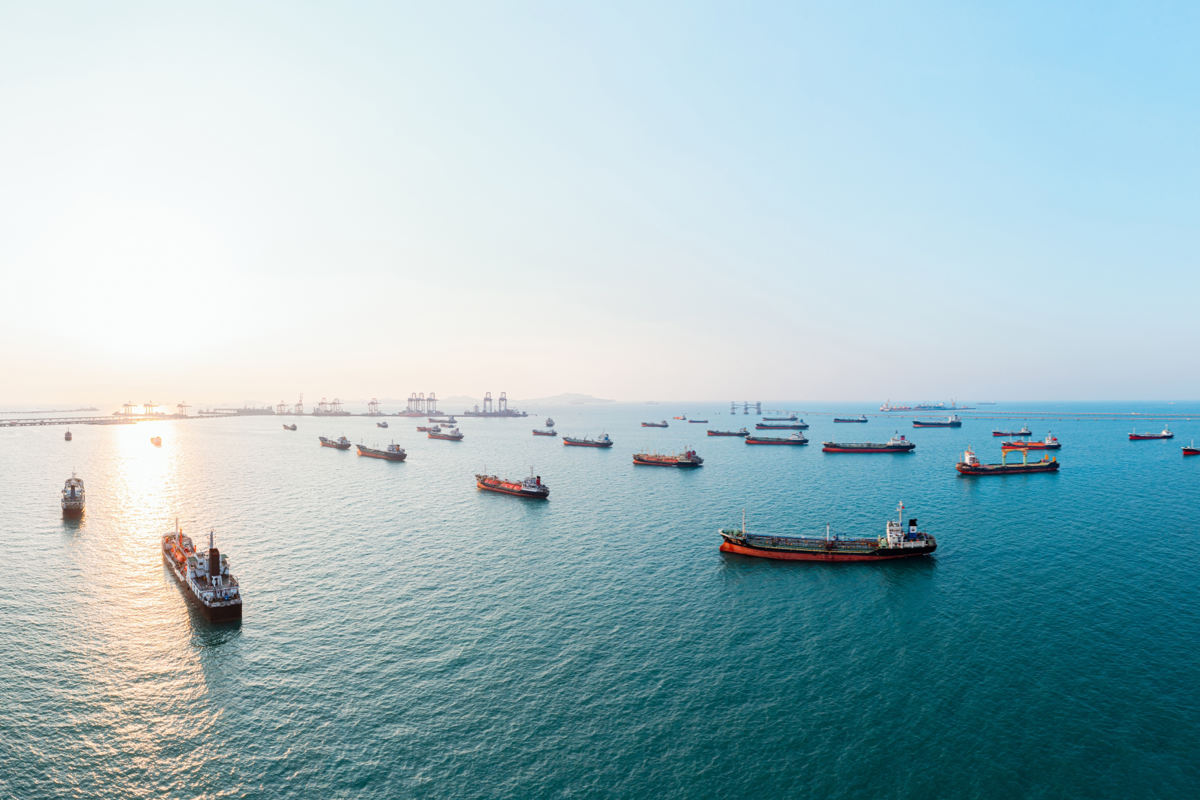
EMSA recorded 188 collisions in 2025, up from 181 the year before, involving 383 ships. 6 ships were lost in collisions, up from 2 in 2024 and close to the 10-year average of 5, and 3 people lost their lives.
Over the longer run, collisions peaked at 275 in 2019 and dropped to 180 in 2020. EMSA notes that annual trends should be read alongside changes in maritime activity, including the fall in traffic during the COVID-19 pandemic. Set 2020 aside, and the last two years, both under 200, are still well below the 244 to 275 a year recorded between 2016 and 2019. That’s the result of years of work by crews, operators, class and regulators, and it deserves credit.
Over the 10 years, 89 people lost their lives in collisions in EU waters and on EU-flagged ships, and collisions were linked to 34.4% of the fatalities in EMSA’s ship-event categories, more than any other type of event.
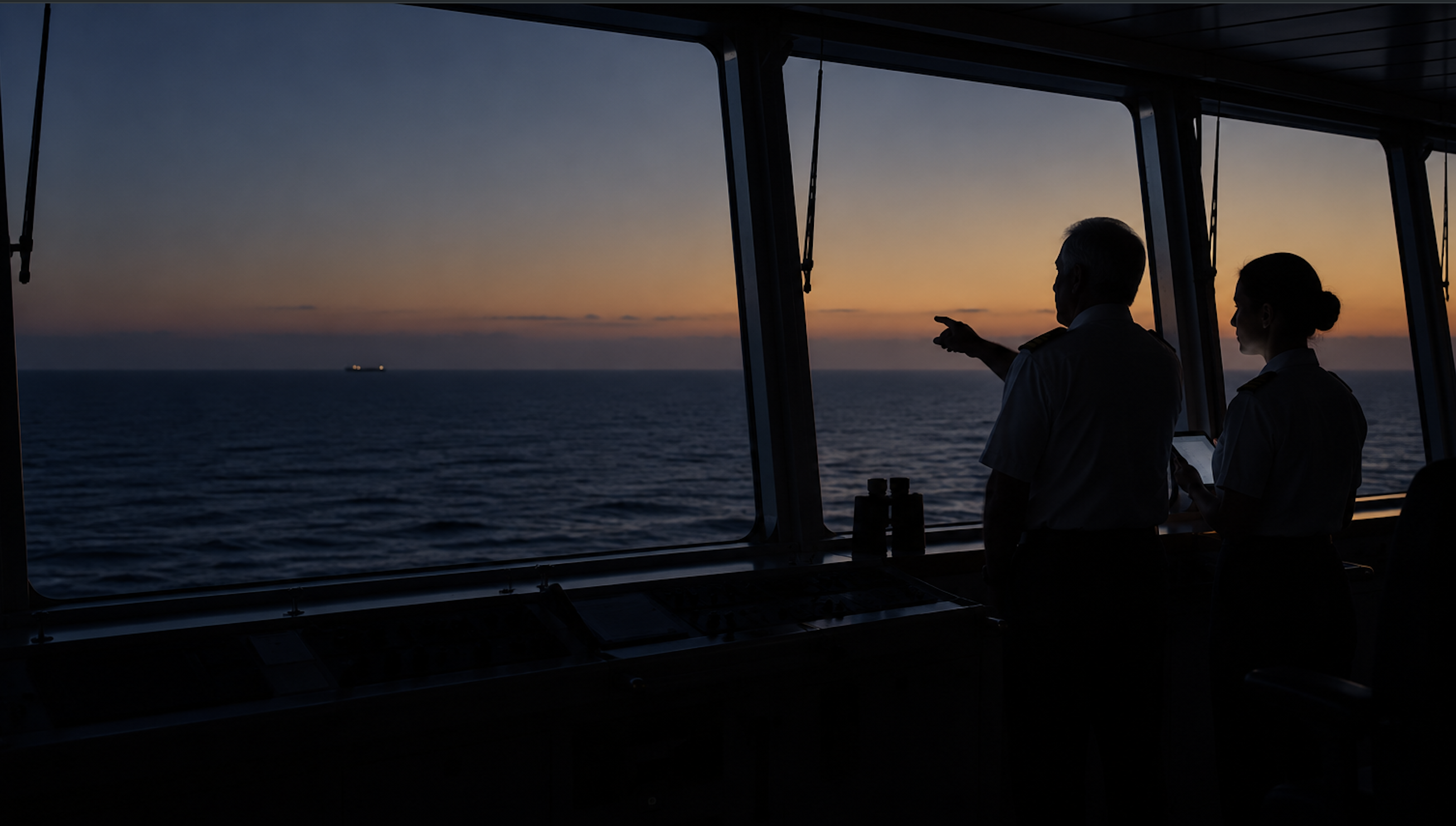
To me, each of those 188 collisions in 2025 describes a watch where the bridge team was managing traffic, visibility and its own workload at the same time.
Human action is a bridge team finding
EMSA’s investigations found human action in 84% of accident events in collisions between ships. Read on its own, that figure invites blame. EMSA says plainly that it “should not be interpreted as identifying individual error or attributing responsibility,” and the contributing factors explain why.
Crew resource management was the most frequent factor, at about 18% of those identified, with personnel and manning close behind at 17%. The investigators’ notes keep returning to decision-making, working methods and workload management.
If you’ve stood a night watch in a traffic separation scheme, you’ll recognize this. Traffic is building, the VHF is busy, the passage plan needs checking, and there’s a small target off the bow that’s hard to read on Radar and visually. The team’s shared picture is only as good as what each person can see and how quickly they can pass it on.
Support has to reach the watch
EMSA’s safety recommendations already point at the team. Ship-related procedures make up 30% of them and human factors 23%. Manning and rest on the busiest legs belong in that conversation, and so does training built around real watches.
Near misses are the early warning
EMSA also counts marine incidents, the near-miss type events that didn’t become casualties. It recorded 479 of them in 2025, 18% of all occurrences, and notes a slight upward trend in this category while casualties trend down.
In my experience, near misses rarely get the follow-up an accident does. Once the ship is clear, the watch moves on. They’re still where the warning signs show up first, and measuring them is how a fleet gets ahead of an accident.
Where technology helps
Technology can take some of the load off the bridge team. Detection that tracks targets day and night, including small and unlit ones, and flags the ones that matter early gives the officer of the watch more time to assess and decide, with the master in command. The value comes from fewer, better alerts, since bridge teams already deal with heavy alarm volumes and more noise would only add to the workload EMSA’s investigators describe.
It can also leave a better record. EMSA’s report shows that 83% of very serious casualties are investigated, against 2% of marine casualties. For most occurrences, and for the near misses that never become one, what the ship records is the main basis for learning. When targets, tracks and passing distances are recorded automatically, an investigation has more than memory and logbook entries to work with, and a fleet can review its near misses as they happen, see where they cluster, and bring them into training before anyone is hurt.
The next watch is the measure
EMSA’s latest report shows real progress on collisions over time, and a bridge team that still carries the hardest part of the problem. The next drop will come from supporting that team with an earlier, shared picture on every watch, and from fleets that measure their close encounters long before any of them become a report.
This year has reminded everyone that seafarers face risks far outside anyone’s control on the bridge. Collisions are one the industry can keep reducing, watch by watch, and the last 10 years show it can.